Film Scanning & Transmissive Material Preservation: Workflows, Tools, and Best Practices for Cultural Heritage
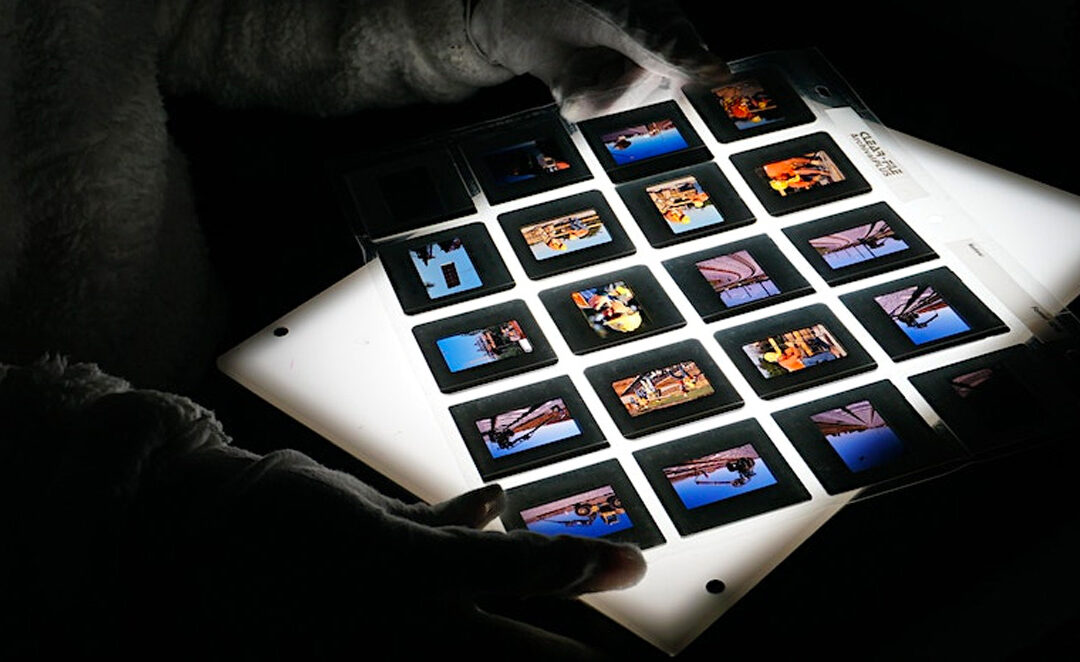
Film and other transmissive materials—negatives, slides, panoramic strips, and fragile reels—are among the most cherished and simultaneously challenging media that cultural heritage organizations digitize. These materials come with unique demands: extremely high resolution, precise focus, careful illumination, and accurate color inversion. Yet they also hold vast historical, artistic, and research value that institutions and service providers strive to preserve and make accessible.
At Digital Transitions, we work with libraries, archives, museums, and digitization labs to develop consistently reliable workflows and technical solutions for transmissive scanning. Over the years, this work has taught us that great results depend on thoughtful setup, repeatable processes, and an understanding of the physical nature of film.
In this article, we bring together several resources to help you approach film scanning and transmissive preservation with clarity and confidence. We explore established processes, real-world workflow insights from a dedicated webinar, and best practices for institutions ready to expand their digitization capacity.
Why Film Scanning Is Different
Digitizing film differs significantly from capturing flat artwork or documents. Film is:
- Transmissive rather than reflective: illumination passes through the material.
- Detail-dense: requiring very high resolution (often 4,000–8,000 PPI equivalents).
- Delicate: frequently brittle, warped, or fragile, demanding soft handling.
- Color-complex: requiring accurate inversion and profiling for usable positives.
Because of this, film scanning workflows must be tailored, with nuanced control over capture systems, optics, lighting, and post-capture processing.
Modern Scanning Workflows: A Practical Framework
This Digital Transitions webinar offers a grounded, step-by-step walkthrough for building a reliable film scanning workflow.
In Film Scanning in Practice: Building Accurate, Scalable Workflows for Transmissive Materials , Technical Services Manager Ben Cort demonstrates how to configure camera-based scanning systems, manage focus and resolution, and optimize transmissive capture settings.
Key takeaways from the webinar include:
- Choosing the right hardware: a high-resolution camera system with extension tubes and a transmissive light source enables fine control over detail capture.
- Focus and resolution strategy: many successful workflows use camera position (copy stand height) to establish target resolution and ensure critical focus across the film plane.
- Transmissive pre-flight settings: Capture One setup—ICC profiles, linear curves, and Lens Cast Calibration—supports consistent, accurate raw data.
- Captured outcomes vs. output goals: distinguishing between object reproduction and content reproduction helps align capture and processing decisions to preservation and access goals.
- Batch processing techniques: repeatable crops, white balance from film base, and selective auto adjustments support large collections without sacrificing quality.
Read the full workflow summary: Film Scanning in Practice: Building Accurate, Scalable Workflows for Transmissive Materials
The Film Scanning Kit: Precision Meets Practicality
To support efficient film digitization, Digital Transitions offers purpose-designed tools like the Film Scanning Kit, engineered to integrate with camera-based systems. This kit standardizes how slides and strips are held and illuminated, while also enabling quick format changes.
In Unlocking Heritage: The Digital Transitions Film Scanning Kit , we review how the kit:
- Provides stable, repeatable mounts for both slides and strip film
- Supports precise control over film planarity and positioning
- Enables fast transitions between film formats during batch capture
- Integrates with compatible DT stands and lighting systems
Read the Film Scanning Kit article: Unlocking Heritage: The Digital Transitions Film Scanning Kit
Together with a capable capture system, the right scanning kit can reduce handling risks, accelerate throughput, and improve consistency
in large film digitization projects.
Preserving Film Heritage—From Theory to Practice
In Preserving Film Heritage: A Month Devoted to Film Scanning , we explore why film deserves dedicated digitization strategies and how organizations can plan successful initiatives.
That article highlights:
- The historical significance of film collections
- Common preservation risks that necessitate high-quality digital surrogates
- Why understanding workflow fundamentals is essential before scaling
Read the heritage perspective: Preserving Film Heritage: A Month Devoted to Film Scanning
Lessons Across Workflows & Institutions
Across all of these resources, several shared principles emerge:
1) Preparation Determines Quality
From selecting optics to profiling light sources, careful pre-flight setup builds a foundation for dependable results.
2) Repeatability Scales Through Process
High-volume projects depend on workflows that can be executed consistently—whether by one operator or a team.
3) Object vs. Content Outcomes Must Be Clear
Understanding when to preserve the film object’s characteristics versus when to produce a corrected positive image informs capture choices
and post-processing pathways.
4) Tools Matter—but So Do Techniques
Purpose-built film scanning kits and transmissive illumination systems reduce friction, but expertise in camera control, software settings,
and focus strategy makes the difference.
Bringing Film Scanning into Your Practice
Whether your institution is just planning a film digitization initiative or looking to refine existing workflows, these articles collectively provide a practical foundation for success. Film scanning doesn’t have to be mysterious, but it does require systems designed for the task and workflows informed by real-world challenges.
For guidance on solutions, workflows, or getting started with your own film collections, contact Digital Transitions—where preservation workflows meet practical expertise.
Explore more:
DT Heritage Blog