2025 Cultural Heritage Roundtable
Watch the Presentation Videos
Explore the Future of Digitization Efficiency
Join us November 6th at our 2025 Cultural Heritage Roundtable as we bring together esteemed presenters & experts to share the latest in Cultural Heritage digitization news, developments, standards, technology, and techniques, along with a full day of networking with CH peers.
After listening to feedback from our global audience around timing, location, and budgets, we’re excited to announce that this year’s Cultural Heritage Roundtable will be fully online—making it easier than ever for cultural heritage professionals everywhere to attend.
What started as small, client-focused gatherings has evolved into an international annual conference bringing together experts, practitioners, and innovators from galleries, libraries, archives, museums, corporations, and even the world of sports and entertainment. Attendees gain exclusive access to the latest digitization technologies, best-practice workflows, and inspiring case studies while connecting with peers across industries.
2025 Speakers & Presentation Videos
David Stecker
National Gallery of Prague
Information
Bio
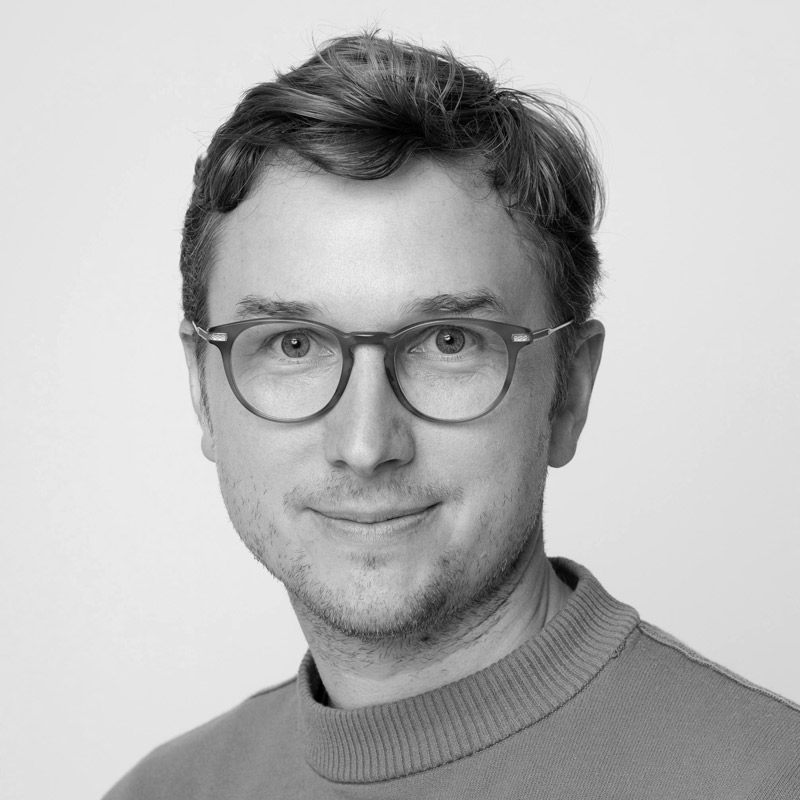
David Stecker is the Head of the Imaging Department at the National Gallery Prague. Since joining in 2011, he has been responsible for planning the institution’s digitization projects and strategies. In recent years, he has managed several projects to establish new digitization workplaces funded by the European Recovery Funds. Thanks to these projects, the NGP has become a leader in technical innovations within the Czech cultural heritage sector. His work focuses on connecting the technical understanding of processes and project management with the curatorial need for an accurate and appropriate visual representation of the digitized art collections.
He holds both BA and MA degrees from the Department of Photography at FAMU, where he now teaches in the Studio of Classic Photography.
In 2025, he presented at the Archiving 2025 conference in Granada with a poster titled, “Digitizing cultural heritage: exploiting the gap between standards and individual approach.” He is currently leading a project to build a comprehensive IT infrastructure for a long-term preservation digital archive. This initiative includes integration with a DAM system and aims to make all data accessible in accordance with FAIR and CARE policies.
Presentation
From Detail to Context: Digital Provenance as a Key Requirement for Quality Digitization
In recent years, many museums and galleries have invested considerable resources into high-end digitization technology. We are proud of the high resolution and perfect colour fidelity of our images. But what if, in this race for technical perfection, we are missing something essential?
This contribution argues that just as important as the image itself are its context and origin—information that we collectively call digital provenance. Using practical examples, we will introduce the key categories of this data (such as the condition of the artwork during digitization, the technology used, and lighting conditions) and suggest how to think about a system for its management. Such a system is crucial for maintaining the value and long-term usability of our digital archives. The goal is not to question the importance of technical quality, but to offer inspiration for the next, often overlooked step: how to ensure that our digital data is not only technically perfect but, above all, understandable, usable, and trustworthy even twenty years from now.
Samuel Salgado
Universidad Diego Portales, Chile
Information
Bio
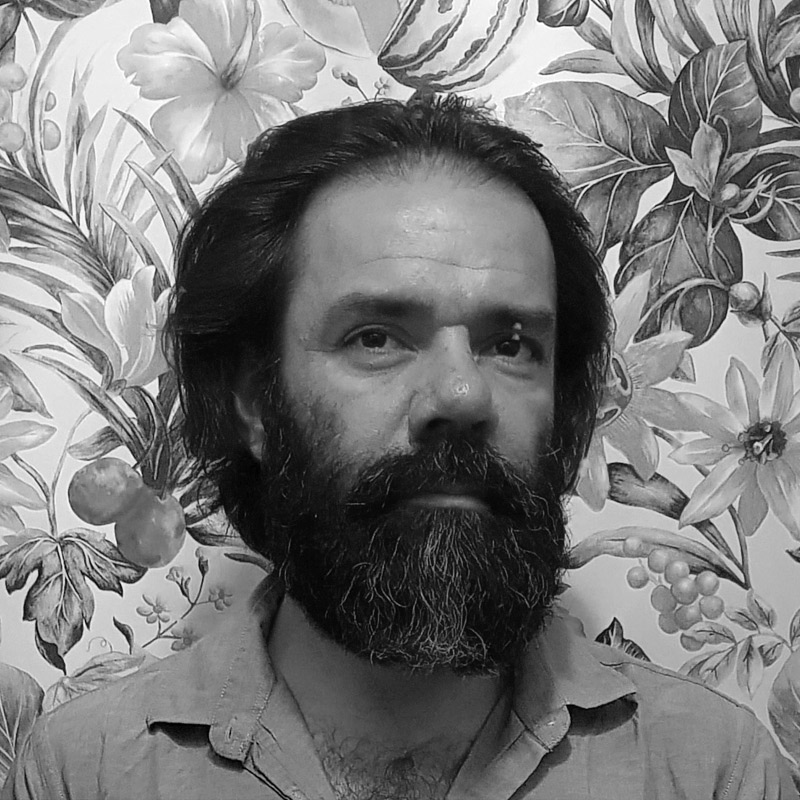
Samuel Salgado Tello is a historian, curator, and researcher specializing in the history of photography in Chile and Latin America. Since 2008, he has served as Director of the National Center for Photographic Heritage (Cenfoto-UDP) at Universidad Diego Portales, where he has led major initiatives in the preservation, digitization, and dissemination of photographic archives. His work also extends to the field of digital humanities through projects such as datos.udp.cl and culturadigital.udp.cl.
He holds a Master’s degree in History and Cultural Heritage Management and has extensive experience in curatorial practice, archival research, and cultural heritage policy. He has directed numerous research and preservation projects funded by national and international programs, including FONDART, FONDECYT, FMIM, and Fondequip, and has curated exhibitions at major institutions such as the Museo Nacional de Bellas Artes, the Museo de la Memoria, and the Biblioteca Nicanor Parra.
Salgado Tello is an active member of the UNESCO Memory of the World Programme – Chile, and collaborates with regional and international networks focused on photographic heritage. His publications include books, essays, and editorial projects that explore the intersections of photography, memory, and visual culture. His academic and professional practice is situated at the crossroads of visual history, archival studies, and digital technologies applied to historical research.”
Presentation
From BC-100 to Digital Heritage: Experiences and Perspectives from Cenfoto-UDP
Hillary Howell & Bethany Boarts
Iron Mountain
Information
Bio
Hillary Howell
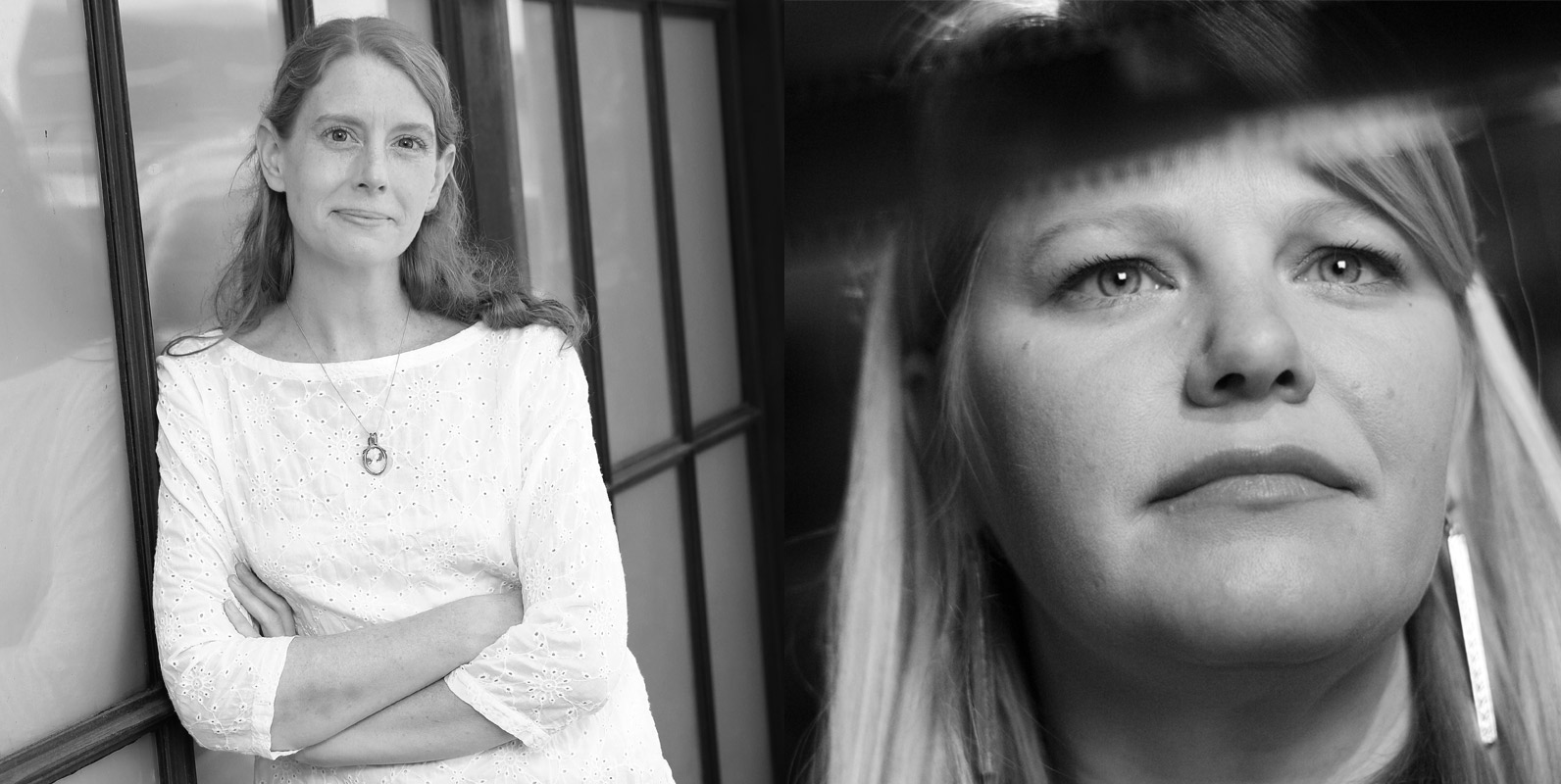
Director of Premium Archival Services for Iron Mountain Media and Archive Services, Hillary Howell, brings an extensive background managing all the aspects of studio and production company collections along with her experience as an entertainment archivist. At Iron Mountain Media and Archive Services, Howell has worked with diverse clients and archives on a number of initiatives including digitization, relocation and creation of collections management policy. While obtaining a Master’s degree in Moving Image Archive Studies from UCLA, Howell interned for the Women in Film Foundation and the Academy of Motion Picture Arts and Sciences Archive which further deepened her passion for archiving in entertainment.
Howell’s curated diverse collections of media assets as well as props, costumes, photography and ephemera through her work with New Line Cinema, The Jim Henson Company, Jerry Bruckheimer Films, NBCUniversal and Lionsgate Entertainment. Career highlights include discovering and restoring a Jim Henson animated short called “Alexander the Grape” from a mix of found audio recordings, animated scene trims and storyboards, restoring serial killer props from “CSI: Crime Scene Investigation” for display in the Bruckheimer offices; and preserving the John Wick films that can now be enjoyed by future generations.
Bethany Boarts
Bethany Boarts is a Solutions Architect at Iron Mountain Digital Studios, where she has been an integral part of the team since 2004. Based in the Pittsburgh market, Bethany brings more than two decades of expertise in digital archiving and preservation. She holds a Bachelor of Arts in Photojournalism from The Pennsylvania State University.
Her meticulous approach and “white-glove” handling have earned the trust of world-class clients including Cartier, CBS, Bose, Apple, Halliburton, Progress Rail, World Bank, U.S. Fish & Wildlife Services, and the PGA. In recognition of her contributions, Bethany has received multiple awards, including being named Mountaineer of the Year in 2014, 2015, and 2017.
Bethany is recognized for her strong communication skills, attention to detail, and client-focused mindset. Outside of her role at Iron Mountain, she is an accomplished photographer and manages a successful photography business in the Pittsburgh region. She is also a proud hockey mom, cheering on her son while continuing to pursue her passion for the arts.
Presentation
One Standard, Many Spaces: Building FADGI-Compliant Imaging Environments at Scale
Over the past year, our team has designed and implemented seven fully FADGI-compliant imaging studios and portable imaging studio in a box each tailored to the unique physical, environmental, and operational constraints of its host facility. This presentation will explore the technical and logistical challenges of achieving consistent 3-Star performance across dramatically different spaces: from permanent installations in large warehouses to compact, modular setups within constrained environments. Discussion topics will include equipment standardization, workflow calibration, environmental monitoring, and staff training, as well as lessons learned when adapting FADGI standards to unconventional settings. Special attention will be given to the development of the portable imaging studio, a flexible solution that maintains FADGI compliance in the field through controlled lighting, power management, and color calibration. Attendees will gain practical insights into planning, equipping, and sustaining imaging environments that balance quality, efficiency, and scalability, regardless of space or resource limitations.
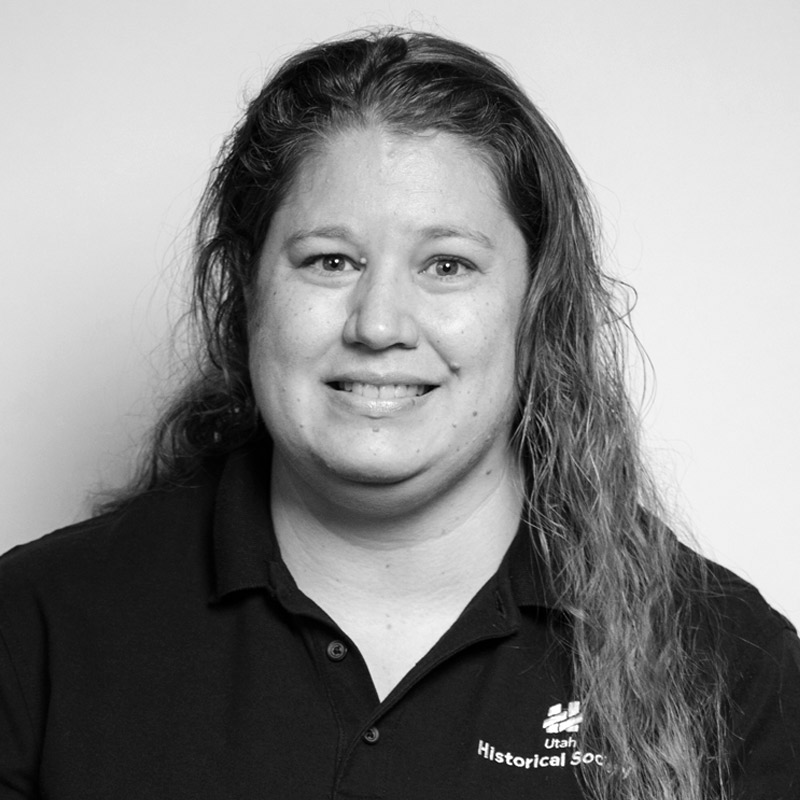
Michelle Gollehon
Utah Historical Society
Information
Bio
Michelle Gollehon is the Digital Asset Specialist at the Utah Historical Society (UHS). She is in charge of on-site digitization for the UHS collections as well as management of vendor related digitization. Currently, Michelle is working with Utah Historical Society to shape the Museum of Utah to house the State’s history collection. With this new endeavor she is creating a state of the art digitization lab to aid in the function of the museum and help bring the physical objects beyond the footprint of the museum. Michelle and the UHS are new to the Digital Transitions family having purchased a Versa system this past July. Michelle holds a Master’s in Museum Studies from Syracuse University and eagerly awaits the opening of the Museum of Utah.
Presentation
Using AI: Tips, Techniques, & Pitfalls
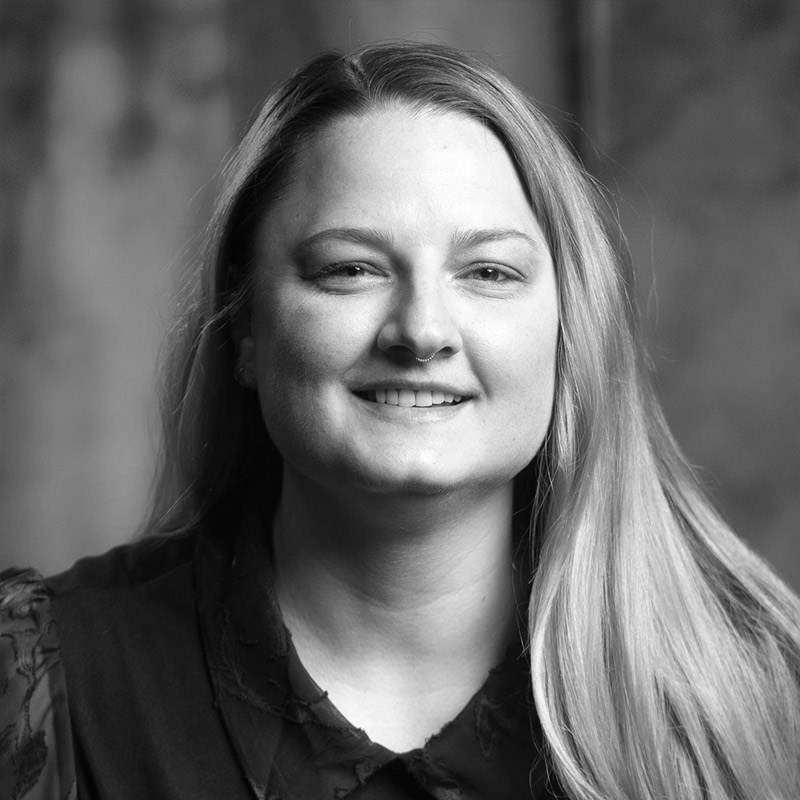
Maggie Wenz
Washington Capitals, NHL
Information
Bio
Maggie Wenz is currently the Lead Web Developer and Digital Archivist for the NHL’s Washington Capitals. Beginning in the franchise’s 40th Anniversary season in 2014-15, Maggie has worked to inventory and digitally preserve the club’s multitude of photos, articles, scrapbooks, memorabilia, and more. For over ten years, Maggie has been the primary manager of the Washington Capitals brand presence on WashingtonCapitals.com, maintaining written and video content, streamlining ticket purchases, designing graphics for web and social, and building out platforms for the club’s many community initiatives.
Prior to her role with the Washington Capitals, Maggie worked as the Marketing Manager for the NFL Alumni Association, as well serving in a Social Media internship role with the New York Rangers at Madison Square Garden. Maggie received a bachelor’s degree from Rutgers University in Sports Marketing, with a double minor in History and Spanish Literature.
Presentation
Stewards of Sports History: Preserving the Past & Documenting the Present in the Digital Age
How do you decide which stories to tell and what moments to capture in 50 years of sports history? Maggie Wenz outlines her ongoing process of compiling, digitizing, preserving, and sharing the “Gr8est” moments of the Washington Capitals franchise, over 5 decades in the making. From the moment Washington, D.C. was granted an NHL franchise in 1972, the Capitals have been stockpiling and scrapbooking every moment that was printed in ink or on film, all the way up to the modern era of dig
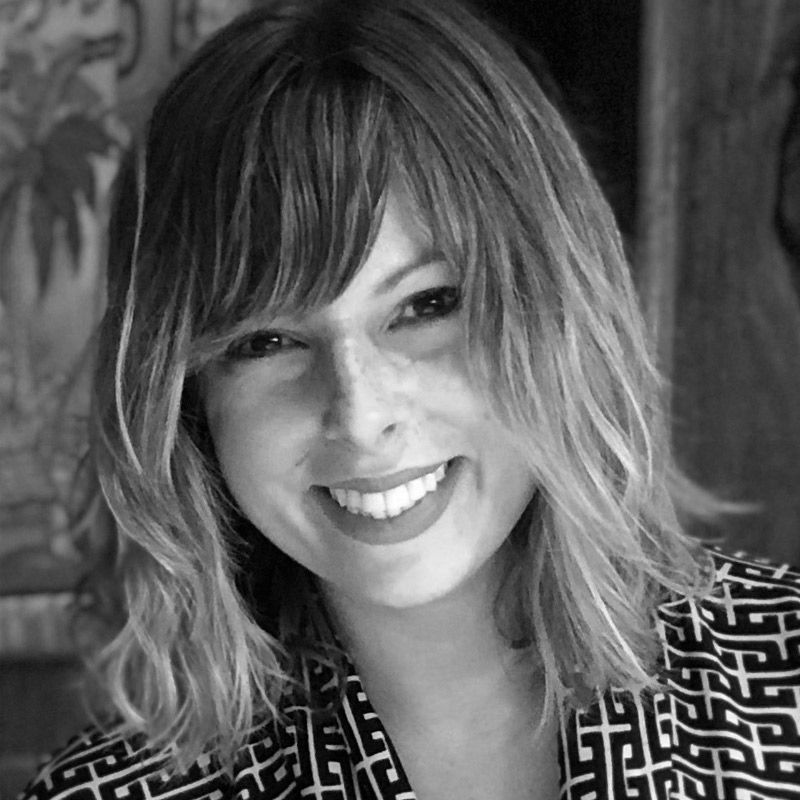
Siera Erazo
NASCAR Hall of Fame
Information
Bio
Siera Erazo is the Curator of Collections at the NASCAR Hall of Fame, where she oversees the care, interpretation, use, and exhibition of the museum’s permanent collection. She started out in advertising, then worked in the Chicago area museum community as a curator, archivist, exhibition developer, and consultant. She holds a master’s degree in public history from Loyola University Chicago and spent her undergrad years as a Tar Heel at UNC-Chapel Hill where she studied Journalism and History. When she’s not preserving history, you’ll find her enjoying a cup of coffee, hiking with her family, or watching a race.
Presentation
Smarter Metadata with AI
The Mariners’ Museum and Park
Information
Bio
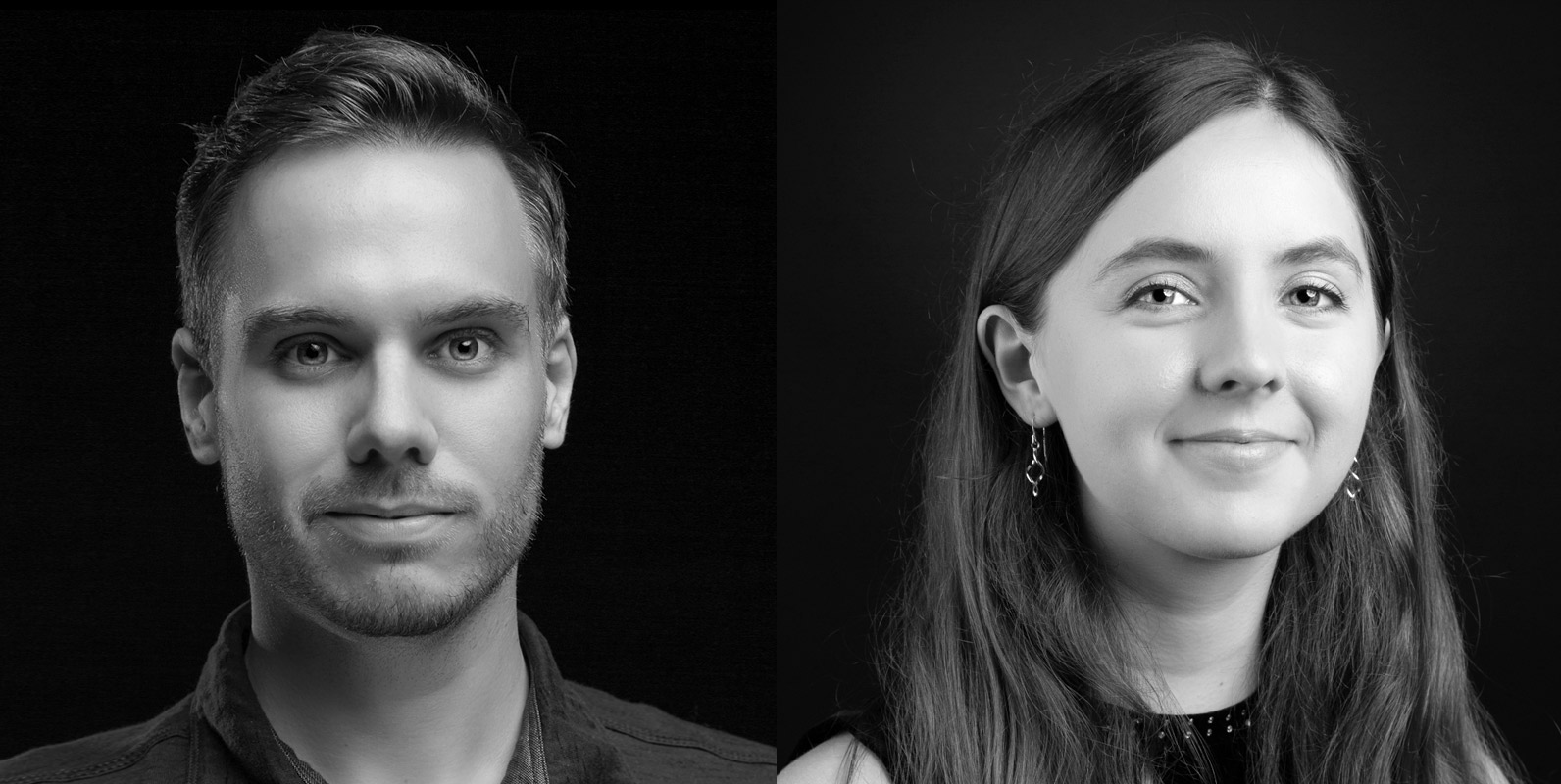
Brock Switzer
Brock is the Manager of Digital Services at The Mariners’ Museum and Park. He has a Bachelor of Fine Arts degree in Media Arts with a concentration in photography from Robert Morris University. Since joining the Museum team in 2015, he has focused on upgrading and updating the Museum’s digitization program, including the purchase of purpose-built equipment and implementation of FADGI standards. Additionally, Brock oversees the Museum’s digital asset management system and handles reproduction printing.
Emily Ransone
Emily Ransone is the Digitization Technician at The Mariners’ Museum & Park. She holds a BA in Art History & Studio Art with a concentration in photography from Christopher Newport University. Her introduction to cultural heritage imaging began at The Mariners’ Museum, where she served as the Digital Services Intern while completing her undergraduate degree in 2022. During her internship, she contributed to an IMLS-funded project by photographing the Peter Ifland Collection of navigational instruments. After graduating, Emily worked as a contract Digital Imaging Specialist, digitizing negatives in NASA Langley’s photo archives. Emily returned to The Mariners’ Museum in 2023, where she began work on an IMLS-funded grant to digitize at-risk negatives in the museum’s photographic collection. Outside of the museum, Emily is a practicing photographer exhibiting her work throughout Virginia.
Presentation
The Domino Effect
In 2018, conservators at The Mariners’ Museum and Park discovered deteriorating acetate and nitrate film stock during a survey of the Museum’s motion picture film collection. This survey revealed the need for improved storage conditions, not just for the motion picture films, but for numerous photographic and mixed archival collections. It was the first in a series of interconnected, large-scale projects. Amidst a backdrop of rapid institutional change and competing priorities, the Museum was also awarded a Save America’s Treasures Grant, requiring the cataloging and digitization of 30,000 at-risk negatives.
The ever-growing list of projects required quick but measured decision-making, leaning on cross-departmental collaboration and expertise. It became readily apparent that efficient and tested workflows, rigorous documentation, and flexibility are essential to keeping up with the continuously falling dominoes.
Peter Siegel
Digital Transitions
Information
Bio
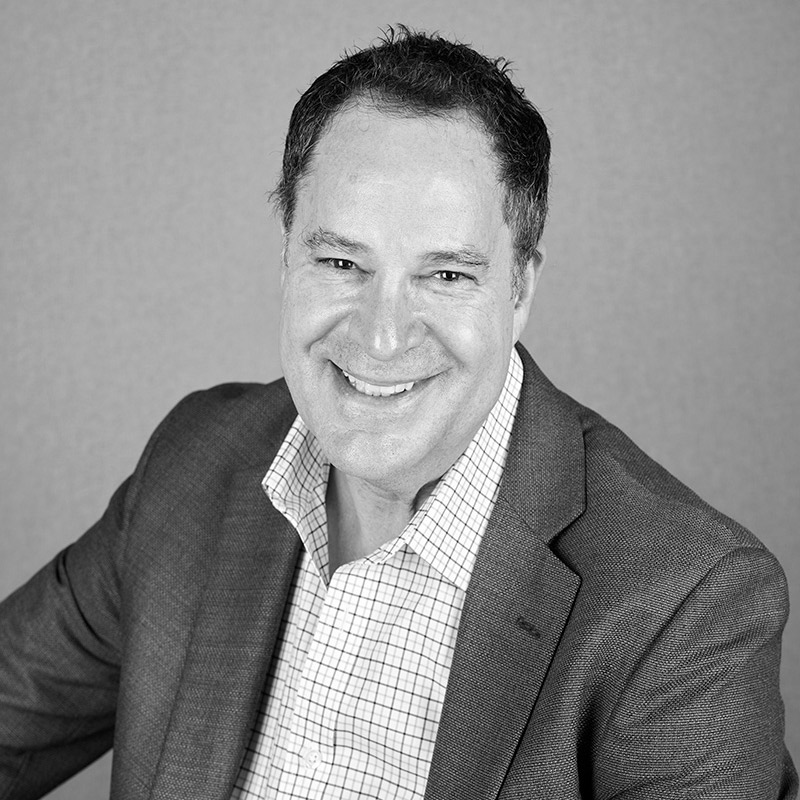
Peter Siegel is the Director and founder of DT Heritage. Dedicated to the cultural heritage community, he has developed a series of reprographic and book capture benches and a reprographic camera system as well as film scanning solutions and accessories that are purpose-built to meet the specialized needs of cultural institutions. This was a natural fit, as he has served the not-for-profit community for over 25 years.
Before coming to Digital Transitions over 10 years ago, Peter was the Head of Digital Imaging and Photography for Harvard Art Museums and Fine Arts Library. Here he planned and implemented the modernization of the entire imaging lab and photography services department by designing and integrating image capture technologies for image creation, management, and permanence. Peter was also the Director of Digital Imaging at the American Museum of Natural History. Peter was responsible for all aspects of the Digital Imaging program and created an image database containing over 270,000 high-resolution images from collections, catalog ledgers, and archives. He also incorporated and designed digital imaging technologies to integrate other museum collections.
Peter’s history working in the cultural heritage community is why DT Heritage has become the country’s leading provider of high-end digitization solutions. His true understanding of the importance of reliable equipment with a dependable technical support team standing behind their products is why we stand out and have partnered with Phase One, the worldwide leader in digital imaging technology.
Matthew Watkins
Digital Transitions, Head of Products
Information
Bio
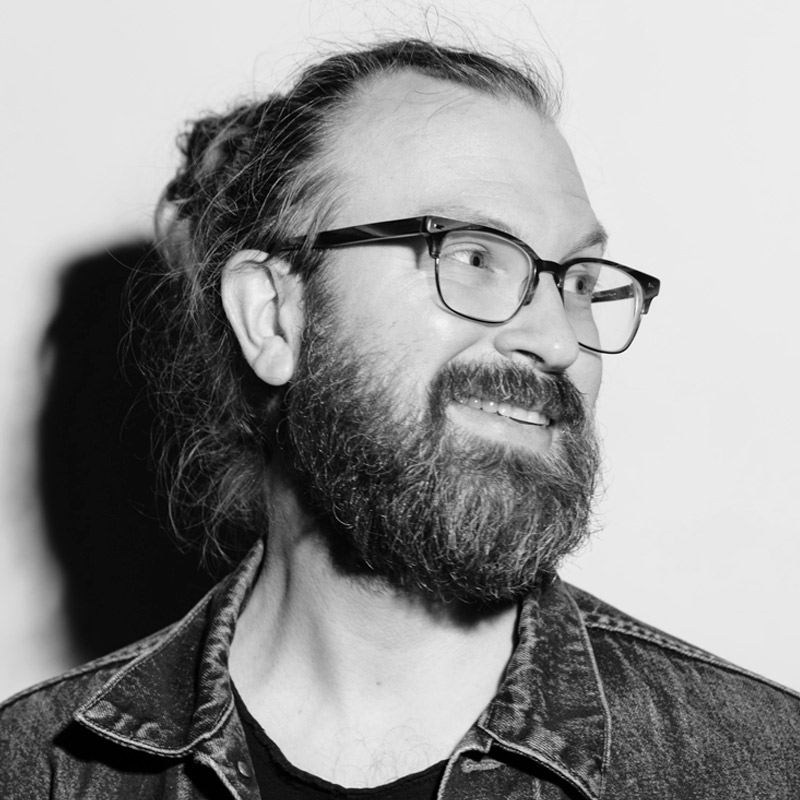
Matthew Watkins is the Product Manager at Digital Transitions, where he leads product strategy and development of digital imaging solutions serving the cultural heritage community. He brings over 15 years of experience managing complex technical projects, with a strong focus on aligning user needs with long-term product vision. Since joining DT three years ago, Matthew has contributed to key initiatives including the Stellar and Nexus projects.
Presentation
Looking Ahead: Improving Digitization Efficiency
Doug Peterson
Digital Transitions, Head of R+D
Information
Bio
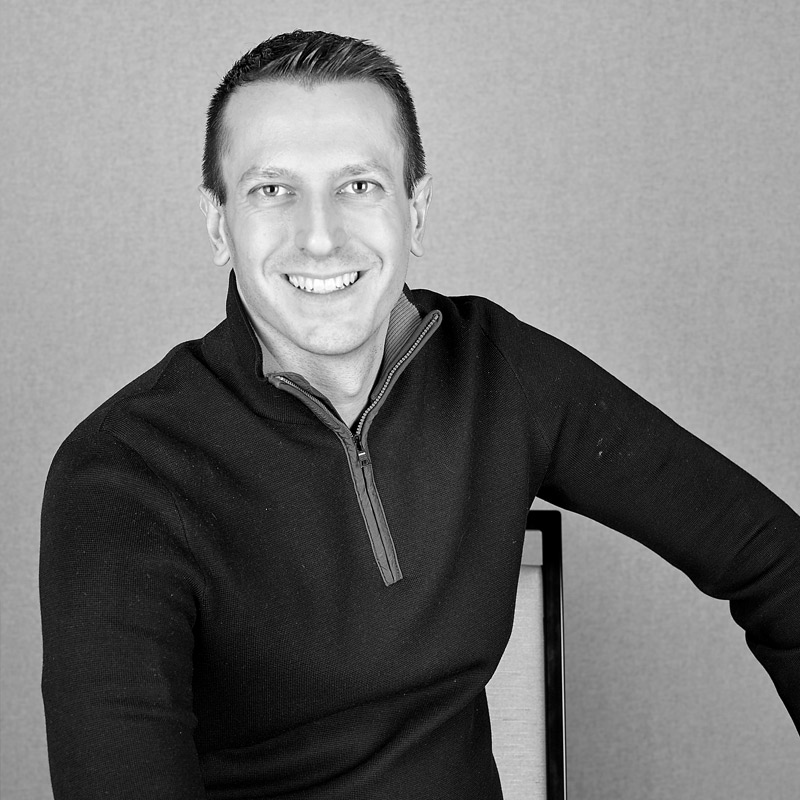
Doug Peterson is Co-Owner and Head of R+D and Product Management at Digital Transitions. He holds a BS in Commercial Photography from Ohio University. He is the lead author of a series of technical guidelines and recommendations for cultural heritage digitization, including the Phase One Color Reproduction Guide, Imaging for the Future: Digitization Program Planning, and the DT Digitization Guides for Reflective and Transmissive Workflows. He oversees the DT Digitization Certification training series, and has presented multiple Short Courses at the IS&T Archiving imaging conference. He is a member of the International Standards Organization where he sits on Technical Committee 42 which works on digitization standards.
Presentation
Current & Future Digitization Technology
2025 ROUNDTABLE AGENDA
| 9:00 AM | Peter Siegel |
| 9:15 AM | David Stecker |
| 10:00 AM | Hillary Howell & Bethany Boarts |
| 10:45 AM | Coffee Break |
| 11:00 AM | Brock Switzer & Emily Ransone |
| 11:45 AM | Samuel Salgado |
| 12:30 PM | Michelle Gollehon |
| 1:15 PM | Lunch Break |
| 2:15 PM | Doug Peterson |
| 3:00 PM | Matthew Watkins |
| 3:30 PM | Coffee Break |
| 3:45 PM | Siera Erazo |
| 4:30 PM | Maggie Wenz |
| 5:15 PM | Peter Siegel |
DT Annual Roundtable Background
Our Cultural Heritage Roundtables began as small, one-off gatherings between Digital Transitions and our valued customers and partners as a formal way to gather the community’s collective experience, share the latest knowledge and solutions, and foster a discussion on how to push our efforts forward.
Since its inception, the event has grown from a single day at our office to two annual conferences—both in-person and online—across the United States. Attendees come from a variety of countries, disciplines, and institutions to see the latest digitization technology, learn best practices from experts, discuss workflow tips, and network with other cultural heritage professionals. Whether you work in galleries, libraries, archives, museums, corporations, media, entertainment, or sports, if you have an interest in preserving culture and history through digitization, this event is for you!
Watch Last Year’s Presentations Here
Why Attend?
Learn from industry-leading institutions and network with Cultural Heritage professionals.
INSPIRING
PROJECTS
GREAT
NETWORKING
NEW
TECHNOLOGY
Have any questions? Contact us at marketing@digitaltransitions.com and we will happily assist.
Can’t wait for the event? We get it.
Explore our available trainings, free resources, and hours of content.
DT Knowledge Resources
We aren’t just a commercial entity, we pride ourselves on leading the Cultural Heritage community with resources to learn effective and viable approaches to preserve our history. This is why we have developed free resources for you to learn about the latest in the industry.
Film Scanning Knowledge Center
Digitizing transmissive materials at the highest possible quality can be an intimidating task, so we built this resource to guide you through it. Whether you’re aiming to meet image quality standards like FADGI or just looking to get the most detail out of your personal collection, you’re in the right place. Dive in for hardware and software solutions, project planning tips, handling considerations, video resources, and much more!
Click here to browse our resource center
Recorded Live Events
Explore our YouTube channel for knowledge resources on medium format photography and digital imaging technology. Discover more about the best digital imaging systems in the world, learn why medium format makes all the difference, all from the industry’s leading experts.
Upcoming Events & Trainings
We have a variety of trainings available to suit your needs for digitization. Whether you are looking to improve your post-processing skills in Capture One, learn invaluable techniques for film scanning, or seeking certification as a digitization operator.
DT Digitization Certification Program
One of our core missions at DT Heritage is to be a knowledge resource for the Cultural Heritage digitization community; helping to foster the spread of information and best practices in an industry that too often relies on individuals figuring out techniques and workflows on their own. As part of that ongoing initiative, earlier this year we launched our DT Digitization Certification Training Program to help educate the Cultural Heritage community on the equipment, software, workflows, and best practices associated with modern digitization.
Celebrating 20 Years of Digitization Excellence – 2003-2023
Subscribe to our Cultural Heritage Newsletter
