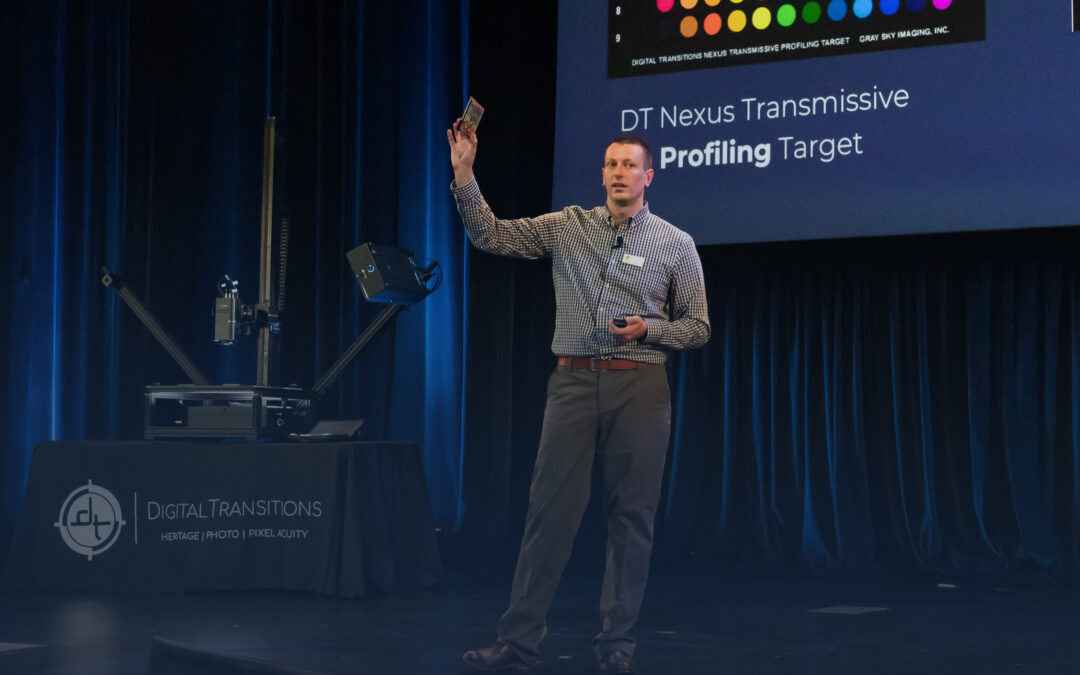
The speaker lineup for the 2026 Cultural Heritage Roundtable is here. This year’s Roundtable runs across two full days for the first time, built around the theme Advanced Tools for Heritage Digitization — and as always, the program is led by the people doing the work.
Practitioners from state archives, research libraries, universities, and statewide digitization programs will share how they’re scaling film digitization, collaborating with living donors, documenting conservation work, building newspaper collections into public history, and growing preservation imaging teams, and modeling the physical structure of medieval manuscripts. Our own Doug Peterson and Matthew Watkins will round out the program with a look at where digitization technology is headed and what DT is developing for 2027. Every session includes live Q&A with the presenters.
Event Details
Day 1: Thursday, October 29, 2026 | 9:00 AM–3:00 PM ET
Day 2: Friday, October 30, 2026 | 9:00 AM–3:00 PM ET
Format: 100% virtual and free to attend, open to anyone worldwide
Each day is ticketed separately on Eventbrite — to attend both days, register for each one. The full two-day agenda, including which sessions fall on each day, will be published next week.
The 2026 Speakers and Sessions
Speakers are listed below in no particular order; day and time assignments will come with the full agenda.
North Carolina Digital Heritage Center & UNC Chapel Hill
Ashlie Brewer & Kerry Bannen
“Film Graveyards: Resurrecting Access to Film Materials with Creative Techniques”
Together, the North Carolina Digital Heritage Center (NCDHC) and the University of North Carolina (UNC) provide access to more than two million historical objects from the Center’s partner institutions across the state and UNC’s special collections — yet only a small portion of these are film. That isn’t due to a lack of film in the collections or a lack of requests for its digitization, but to the time-intensive nature of film scanning and processing. Both institutions are forced to limit the number of film objects they can take on at a time, restricting access to and visibility of collection holdings.
In this presentation, staff from NCDHC and UNC will discuss how they have been experimenting with creative digitization techniques and tools to improve workflow efficiency, increase production, and expand access to film.
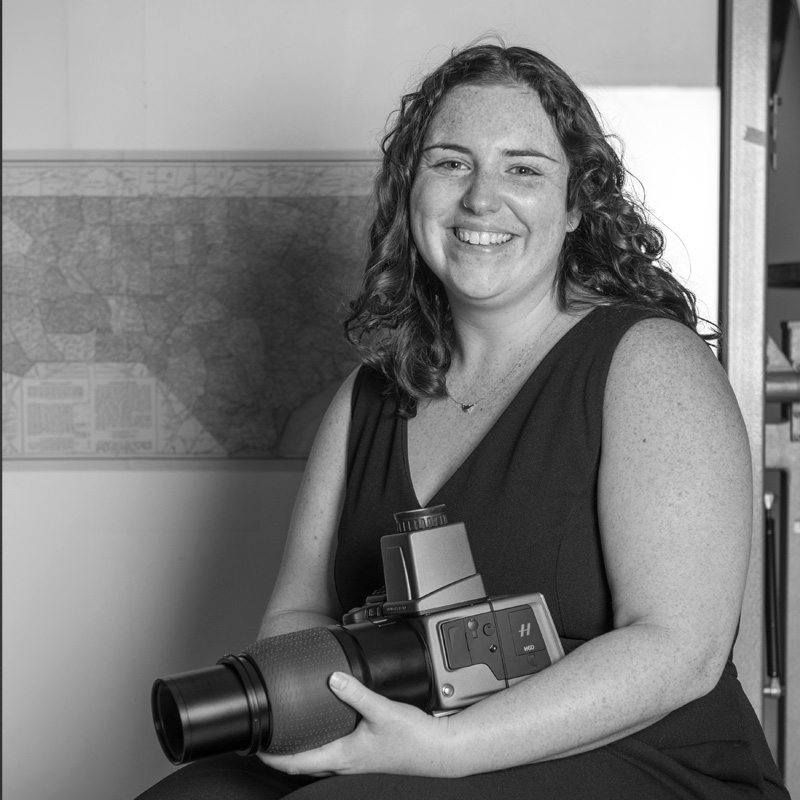
Ashlie Brewer
Digital Projects Coordinator, North Carolina Digital Heritage Center
Ashlie Brewer is the Digital Projects Coordinator at the North Carolina Digital Heritage Center, where she works to improve access to historical materials from more than 370 cultural heritage institutions across North Carolina. Her primary responsibilities at the Center include managing and overseeing digitization projects, developing and refining workflows, and historical newspapers. Prior to her current role, she served as the Center’s Digitization Technician, digitizing and describing everything from newspapers to film to oversized maps and blueprints. Ashlie holds a Master’s in Public History from North Carolina State University and specializes in digitization, workflow documentation, community collaboration, archival access, and North Carolina history.
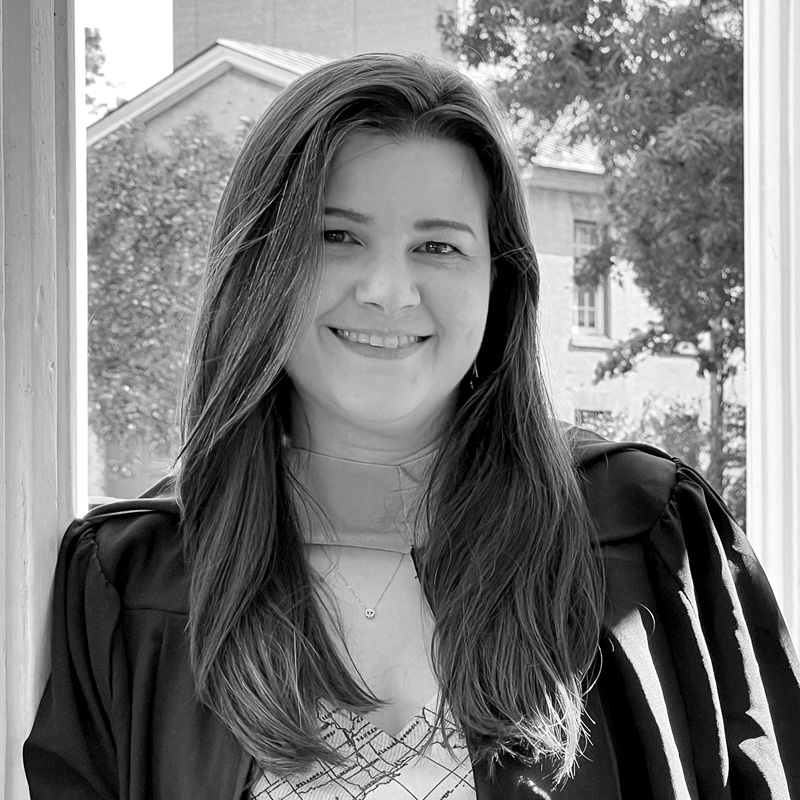
Kerry Bannen
Digitization Workflow Supervisor, Digital Production Center, UNC Chapel Hill
Kerry Bannen is the Digitization Workflow Supervisor for the Digital Production Center at the University of North Carolina at Chapel Hill. She coordinates the still imaging digitization requests for Wilson Special Collections Library, including the Southern Historical Collection, the North Carolina Collection Photographic Archives, and the Southern Folklife Collection, with more than two million scans online. She holds a Master’s in Information Science from UNC Chapel Hill and a Master’s in Documentary Photography from the University of South Wales.
Maryland State Archives
James Watson & Robert Gasperino
“Handle With Care: Streamlining Glass Plate Negative Capture With Conservation in the Loop”
Glass plate negatives and similar photographic materials have long been among the most difficult media types for an archives to digitize. Between their fragility, variations in glass thickness and size, and the condition of the negatives themselves, digitization requests for this media were often denied due to the lack of reliable capture methods.
With the acquisition of its DT Atom system, the Maryland State Archives has now become a resource for outside organizations looking to get this material digitally preserved. Working in coordination with the Archives’ Conservation Department, the team has also developed procedures to streamline the capture process and maximize the number of captures per shift.
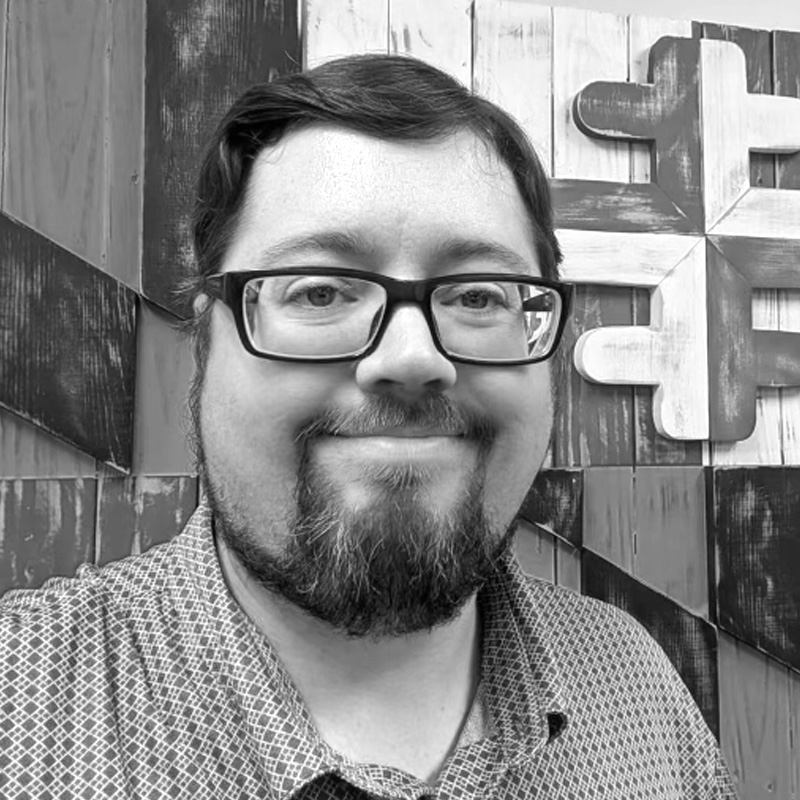
James Watson
Director, Digital Acquisition, Processing, and Publication Department, Maryland State Archives
James Watson is the Director of the Digital Acquisition, Processing, and Publication Department at the Maryland State Archives. James graduated from the University of Maryland, Baltimore County with a degree in History. He joined the Maryland State Archives in 2005 and has worked in various capacities there, including in the Archives’ Reference and Appraisal Departments, before taking over the agency’s digitization program in 2016. His team oversees the digitization of all permanent records generated by the State of Maryland and also works with outside organizations to provide digitization services and guidance. During his time at MSA, he has completed ERMS certification with AIIM and graduated from the Heritage Emergency and Response Training program administered by the Smithsonian Cultural Rescue Initiative. In addition to his work at the State Archives, James chairs the Maryland Geological Survey Data Preservation Advisory Panel, which provides guidance and best practices for digital preservation.
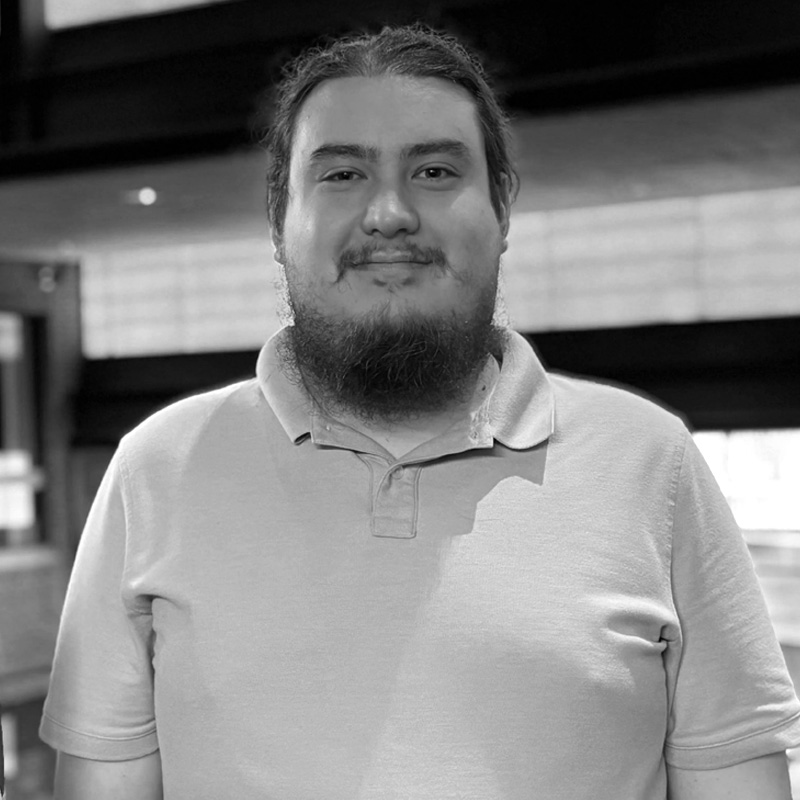
Robert Gasperino
Lead Digitization Archivist, Maryland State Archives
Robert Gasperino is a Lead Digitization Archivist with the Maryland State Archives, where he has worked for the past three years. During his time with the Archives, he completed his Master of Library and Information Science and now leads the Annapolis digitization team. Robert is the daily operator of a DT Atom system equipped with a Phase One IQ3 100MP camera, which he uses for a wide range of digitization projects — from bound volumes containing Revolutionary-era records to glass plate negative collections from community organizations. His experience spans both traditional archival materials and unique photographic collections, giving him broad expertise in high-resolution archival digitization.
Florida State University
Stuart Rochford
“Hardware, Workflows, and Creator Intent: The Mark Wallheiser Collection”
How can a digital imaging studio rapidly scale its technical capabilities while maintaining the flexibility needed for direct donor collaboration? This session examines the fast-tracked processing of the Mark Wallheiser Collection at Florida State University Libraries, capturing decades of work by the Pulitzer Prize-winning photojournalist. In light of Mark’s terminal illness, the team adapted standard protocols to accommodate his timeline and file delivery needs, while navigating thoughtful compromises around his personal image-editing preferences.
Stuart will unpack the practical shift from traditional flatbed scanners to the Digital Transitions Film Scanning Kit, highlighting how upgraded hardware dramatically increased the team’s imaging speed, accuracy, and resolution. The session also covers custom technical solutions built along the way, including Python scripts designed to harvest descriptive metadata that Mark embedded directly into his image files.
Beyond the hardware, the session reflects on the essential balance between raw archival capture and a photographer’s personal artistic vision, with key lessons learned in setting clear expectations early when preserving a living legacy.
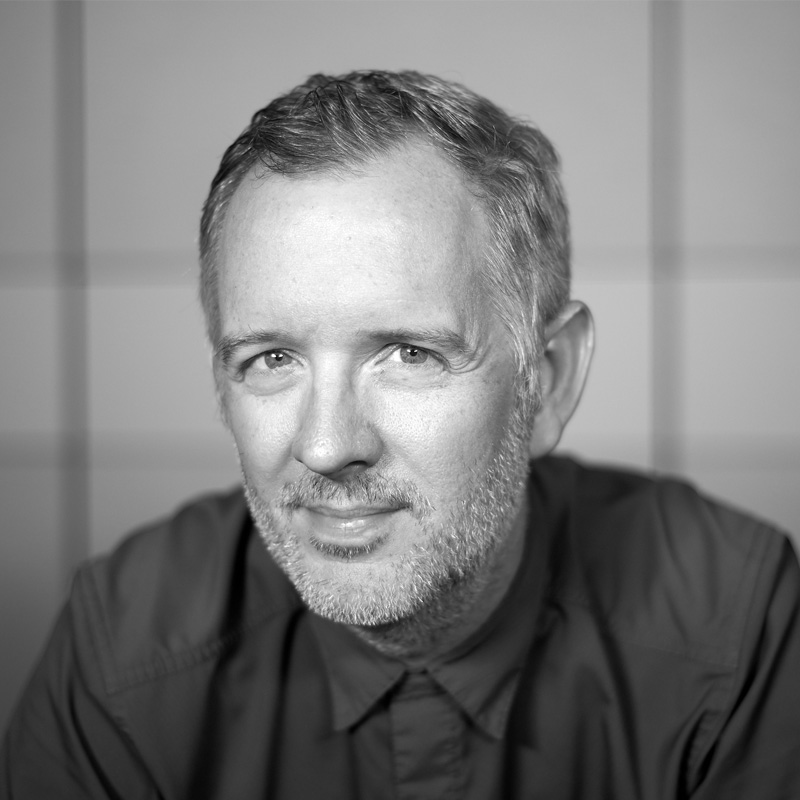
Stuart Rochford
Imaging Librarian, Florida State University
Stuart Rochford serves as the Imaging Librarian at Florida State University, overseeing digital capture, description, and repository ingest for FSU’s Special Collections. Since 2012, he has grown FSU’s digital archives team and updated the studio space with modern digitization hardware and technical workflows. Stuart also consults with cultural heritage institutions to help them build and scale their own imaging programs. His work is grounded in his previous experience running a commercial photography and graphic design business he started in 2008. He earned his BFA and MLIS from Florida State University.
New Jersey State Library
Caitlyn Cook & V Loveless
“Living Histories from Newspapers: Stories from the New Jersey Gazette”
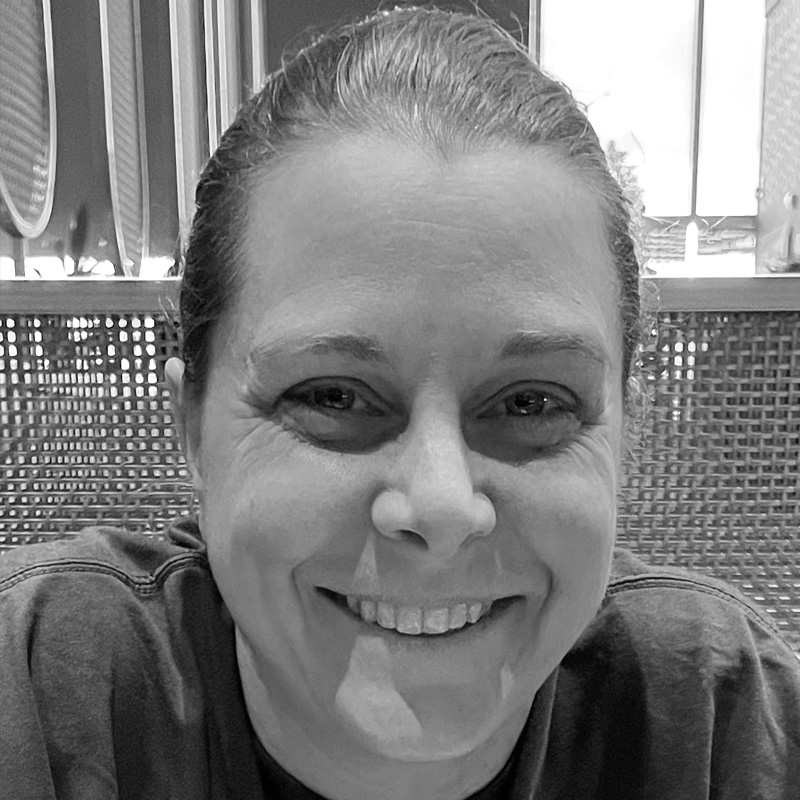
Caitlyn Cook
Reference Librarian, New Jersey State Library
Caitlyn Cook (she/her) is a reference librarian at the New Jersey State Library, where she oversees the State document collections and digital projects, including the digitization studio and digital repository. She is passionate about government documents and the democratization of information through digitization. Caitlyn holds degrees in archaeology, ancient history, and library science. She came to the State Library from Ocean County College, where she served as a Reference and Instruction Librarian specializing in government information.
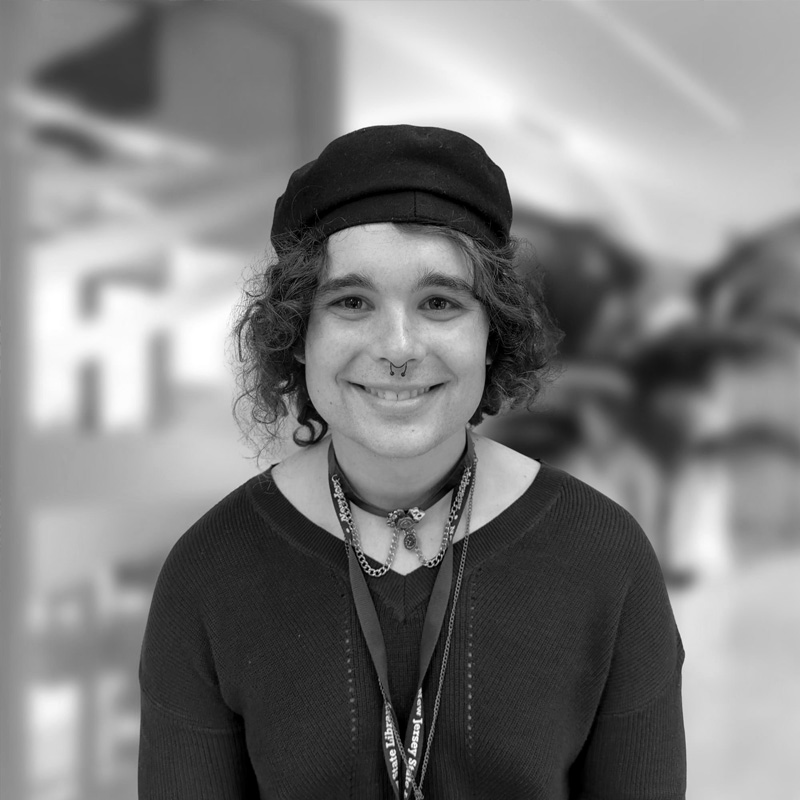
V Loveless
Student, Kean University; Former Research Intern, New Jersey State Library
V Loveless (they/she) is a junior at Kean University, where she is studying history and completing an independent study on theories of resistance. She co-founded the Middlesex County College Reading Collective, which seeks to recognize the injustices that shape our institutions, communities, and daily lives. She has published articles in various literary journals and zines. She recently completed a research internship at the New Jersey State Library and volunteers at several New Jersey cultural heritage institutions.
Folger Shakespeare Library
Tim Tiebout
“Much Ado About One Painting: The Importance of Behind-the-Scenes Documentation”
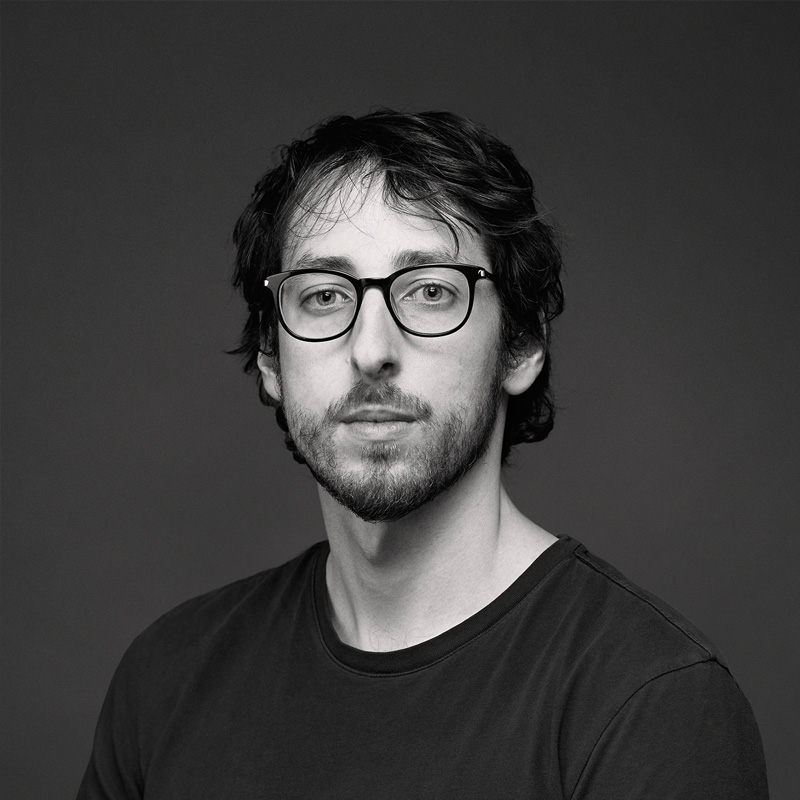
Tim Tiebout
Imaging Team, Folger Shakespeare Library
Tim Tiebout joined the Folger Shakespeare Library in Washington, DC in 2024. The Folger is the world’s largest Shakespeare collection and is also home to approximately 300,000 books, manuscripts, and prints from the 1500s to the early 1700s. Tim manages the Imaging Team, coordinates system and facilities improvements for the department, and performs studio and in-situ imaging. Before joining the Folger, Tim worked as a Museum Photographer at the Philadelphia Museum of Art and as a Photographer at Historic New England. He holds a Bachelor of Science in Biomedical Photographic Communications, with a minor in Applied Imaging Systems, from Rochester Institute of Technology.
Church History Library, The Church of Jesus Christ of Latter-day Saints
Trevor Wylie
“Building Capability at the Church History Library”
A look behind the scenes at the Library’s preservation imaging team, their workflow, and the growth and development of people and technology.
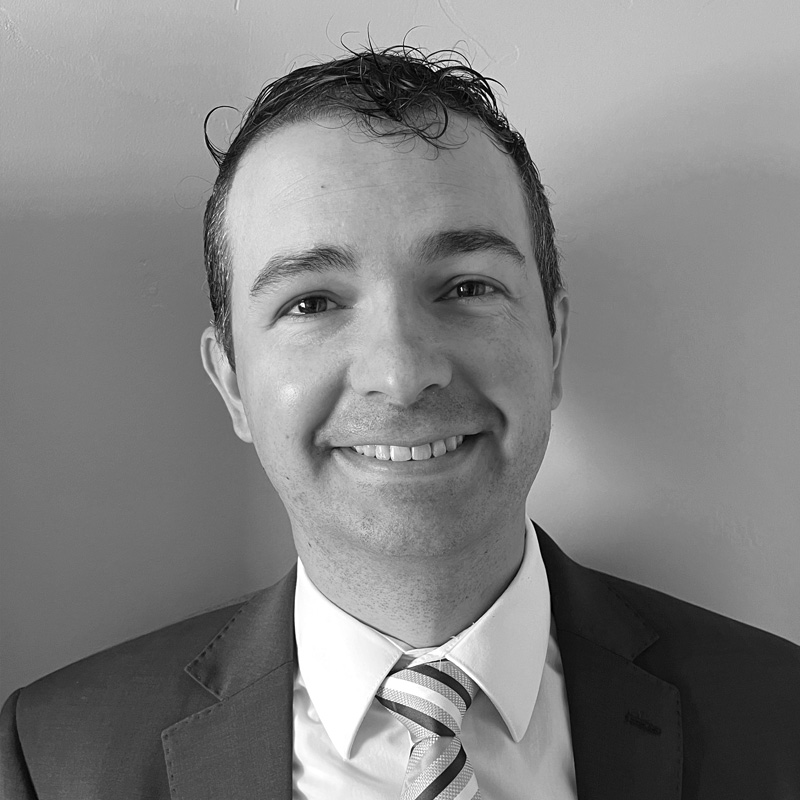
Trevor Wylie
Manager of Preservation Imaging, Church History Library
Trevor Wylie is Manager of Preservation Imaging for the Church History Library of The Church of Jesus Christ of Latter-day Saints, a role he has held for the past five years. With more than a decade of experience in the cultural heritage and preservation field, he oversees large-scale digitization initiatives focused on preserving and providing access to historical records and archival materials. Trevor holds an MLIS degree and has extensive experience in preservation workflows, imaging technologies, process improvement, and team leadership. He is passionate about leveraging technology to increase efficiency, quality, and access to cultural heritage collections.
Penn Libraries, University of Pennsylvania
Dot Porter
“VCEditor: Structural Models for Codex Manuscripts (and other books, too)”
The physical structure of a codex manuscript is fundamental to understanding it as a material object: the arrangement of bifolia and single leaves, the relationships between quires, and the evidence of missing, reordered, or altered material can reveal how a book was made, used, and transformed over time. Yet the traditional tool for describing this structure — the collation formula — is poorly suited to representing the complexity and uncertainty of many surviving manuscripts, and structure is difficult, if not impossible, to interpret using regular 2D images.
VCEditor, developed as part of the VisColl project, provides an alternative: a visual and data-driven environment for modeling the structure of codices and other bound books from life, or from various forms of imaging. Rather than reducing a manuscript’s structure to a formula, VCEditor makes relationships among leaves, bifolia, gatherings, and other components explicit, maps content to material, and allows structural hypotheses to be revised as new evidence emerges.
This paper will introduce VCEditor through a series of case studies, including fragmented manuscripts whose original structures must be reconstructed across physical locations; manuscripts whose structures have become newly legible through advanced imaging; and examples from the University of Pennsylvania’s collections. Together, these cases demonstrate how visual structural models can accommodate complexity, uncertainty, and new evidence while supporting collaborative research and interpretation. Although developed with medieval manuscripts in mind, VCEditor’s approach has broader applications for modeling the physical structure and histories of books.
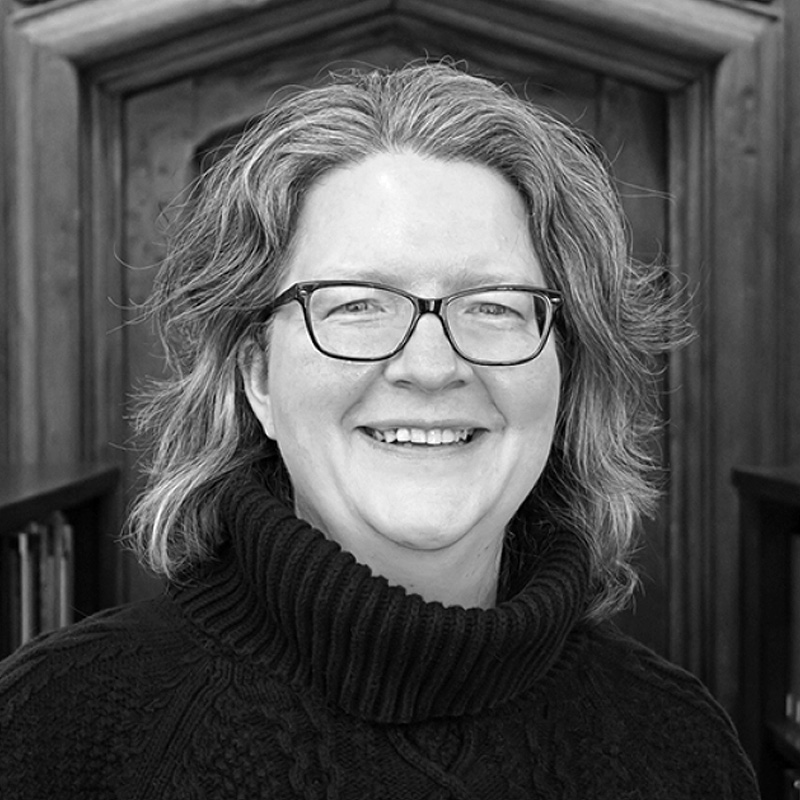
Dot Porter
SIMS Curator of Digital Humanities, Penn Libraries, University of Pennsylvania
As the Schoenberg Institute for Manuscript Studies (SIMS) Curator of Digital Humanities at Penn Libraries, Dot Porter participates in a wide-ranging digital humanities research and development team within the context of a special collections department. Dot’s projects focus on the digitization and visualization of medieval manuscripts. Dot holds Master’s degrees in Medieval Studies and Library Science and began her career working on image-based digital editions of medieval manuscripts. She has worked on a variety of digital humanities projects over her career, focusing on materials as diverse as ancient texts and Russian religious folklore, providing both technical support and scholarly expertise. From 2010 until March 2013, she was the Associate Director for Digital Library Content and Services at the Indiana University Bloomington Libraries, where she led the planning and implementation of new services to support librarians and faculty in the creation of digital projects. She has also worked for the Digital Humanities Observatory at the Royal Irish Academy and the Collaboratory for Research in Computing for Humanities at the University of Kentucky.
Digital Transitions
Doug Peterson
“The Current State (and Future) of Digitization Technology”
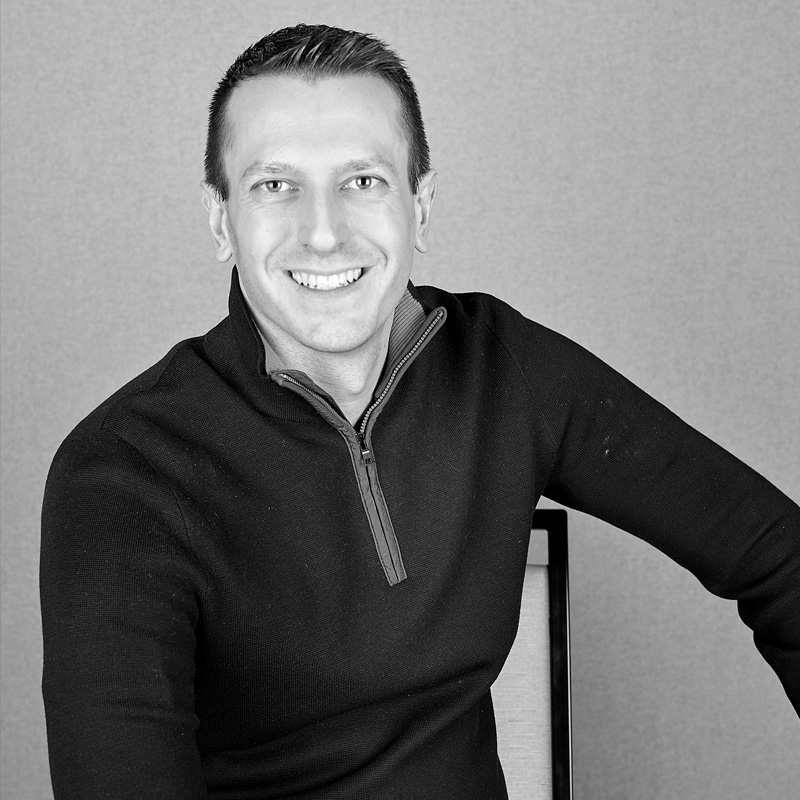
Doug Peterson
Co-Owner and Head of R+D & Product Management, Digital Transitions
Doug Peterson is Co-Owner and Head of R+D and Product Management at Digital Transitions. He holds a BS in Commercial Photography from Ohio University. He is the lead author of a series of technical guidelines and recommendations for cultural heritage digitization, including the Phase One Color Reproduction Guide, Imaging for the Future: Digitization Program Planning, and the DT Digitization Guides for Reflective and Transmissive Workflows. He oversees the DT Digitization Certification training series and has presented multiple Short Courses at the IS&T Archiving imaging conference. He is a member of the International Organization for Standardization (ISO), where he sits on Technical Committee 42, which works on digitization standards.
Digital Transitions
Matthew Watkins
“DT’s New Products for 2027”
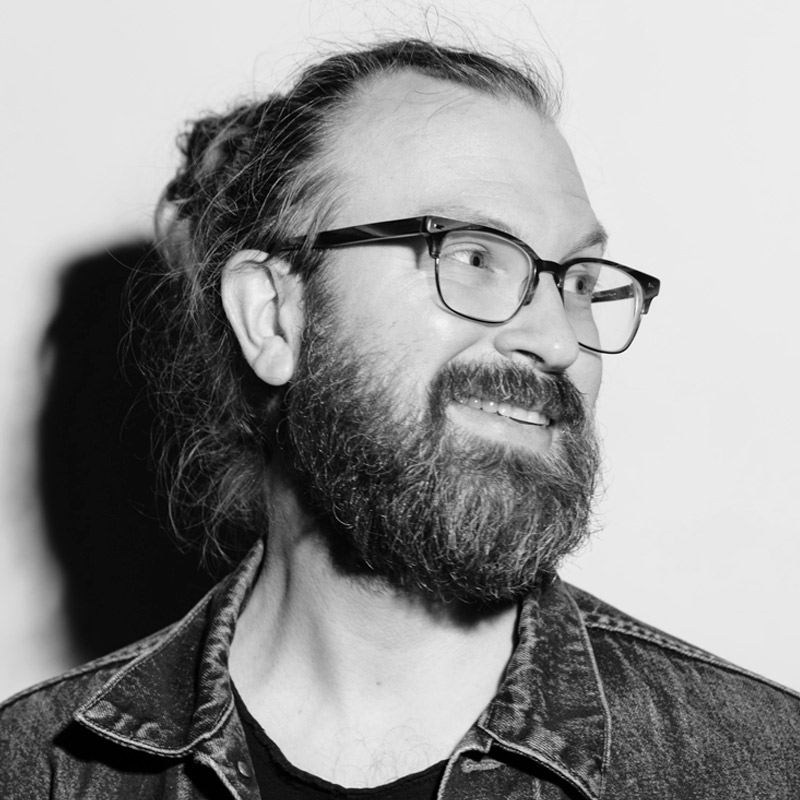
Matthew Watkins
Product Manager, Digital Transitions
Matthew Watkins is the Product Manager at Digital Transitions, where he leads product strategy and development of digital imaging solutions serving the cultural heritage community. He brings more than 15 years of experience managing complex technical projects, with a strong focus on aligning user needs with long-term product vision. Since joining DT, Matthew has contributed to key initiatives including the DT Stellar and DT Nexus projects.
Full Agenda Coming Next Week
The lineup is now complete, and we’ll publish the full two-day schedule next week. The Roundtable is free, but registration is required for each day — sign up for both now so you’re set no matter where your must-see sessions land.