Digitization Services
Audio & Video
Audio & Video
COMPREHENSIVE AUDIO-VISUAL PRESERVATION SOLUTIONS
DT Heritage builds on our two decades of heritage digitization excellence, by expanding into comprehensive audio-visual preservation in collaboration with vetted and respected partners. We combine our proven institutional expertise with specialized technical capabilities, in order to be able to offer to our clients a full service, high touch offering of digitization services now including in audio and video preservation. DT Heritage’s audio-visual services, via our trusted partners, delivers the same preservation-grade quality that has made us the trusted partner of organizations like The Smithsonian Institution, The Getty Research Institute, and the Library of Congress.
This expansion represents a natural evolution of our film digitization expertise. This also works in tandem with our proprietary metadata services enabling a comprehensive and consistent approach to making your collections digital. While we have established ourselves as leaders in still photographic materials, the preservation of moving images and audio requires similar attention to conservation handling, environmental controls, and preservation-grade capture quality.

The Challenges of AV

UNDERSTANDING TIME-SENSITIVE DETERIORATION
Audio-visual materials face preservation emergencies that far exceed the timelines of traditional heritage collections. Unlike paper-based materials that may remain stable for centuries, magnetic tapes experience sticky shed syndrome. In this condition, the binder holding magnetic particles breaks down, causing the oxide layer to shed during playback. This deterioration can render recordings completely inaccessible within 20 to 30 years.
Acetate-based film stocks present another critical challenge through vinegar syndrome, a chemical deterioration process that produces acetic acid, resulting in a distinctive vinegar odor and causing film base shrinkage and embrittlement. As the acetate base contracts, it distorts the sprocket holes, creating dimensional instability and rendering the film unsafe for projection or scanning.

THE OBSOLESCENCE CRISIS
Beyond physical deterioration, technological obsolescence creates access barriers that grow more severe each year. Professional playback equipment for legacy formats becomes increasingly rare and expensive to maintain. Digital Audio Tape (DAT) machines (despite being relatively recent technology from the 1990s) are already challenging to service as manufacturers have discontinued parts and service support.
The knowledge required to calibrate and operate legacy equipment properly disappears as experienced technicians retire. Proper playback of historical recordings often requires an understanding of recording speeds, equalization curves, and track configurations that vary between manufacturers and time periods.

UNLOCKING INSTITUTIONAL VALUE THROUGH DIGITIZATION
Digital audio-visual preservation creates transformative opportunities for cultural heritage organizations. Once digitized, previously inaccessible content becomes discoverable through searchable transcripts and descriptive metadata. Our DT PixelFlow software utilizes artificial intelligence to generate time-coded transcriptions, speaker identification, and content analysis – uniquely specific to our clients specifications, and can be used on all material types, transforming hours of recordings into searchable digital assets.
THE EXPERTS IN MEDIA DIGITIZATION
Comprehensive Format Coverage
AUDIO PRESERVATION ACROSS ALL FORMATS
DT Heritage’s audio preservation services encompass the complete spectrum of recorded sound formats:

Historical Sound Recordings
Cylinder recordings from Edison, Columbia, and other early manufacturers require specialized playback equipment and techniques. These wax, celluloid, and metal cylinders, recorded at various speeds between 120 and 200 RPM, contain some of the earliest captured human voices and musical performances.
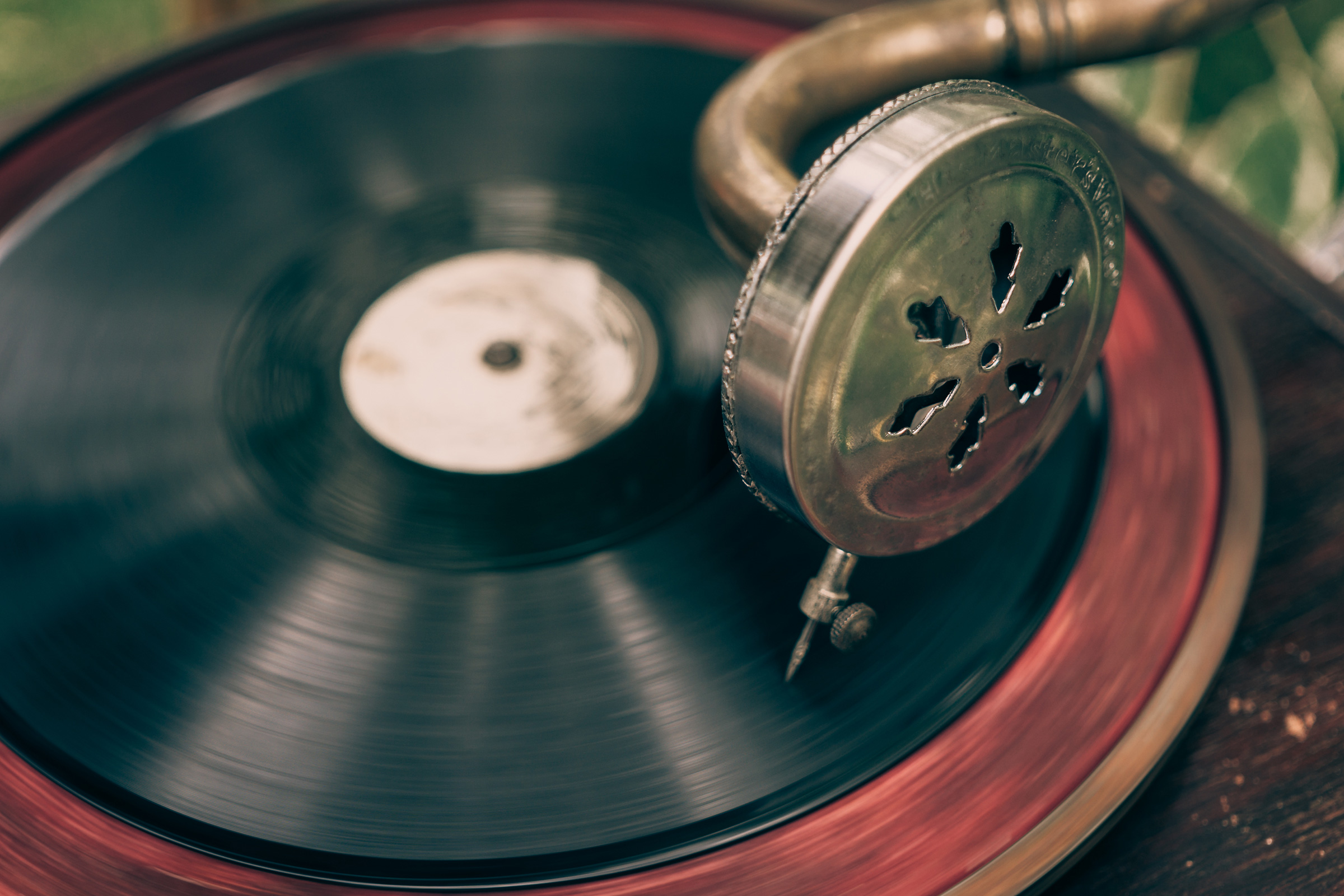
Shellac Disc Records
78 RPM records, manufactured primarily between 1898 and 1958, present unique challenges due to their brittle shellac composition. Early acoustic recordings (pre-1925) used mechanical recording processes, while later electrical recordings employed microphones and amplification.

Magnetic Tape Formats
Cassette tapes became widely used for oral history projects and field recordings due to their portability. However, their narrow tape width and slow recording speed make them particularly susceptible to print-through—a phenomenon where magnetic information transfers between tape layers during storage.
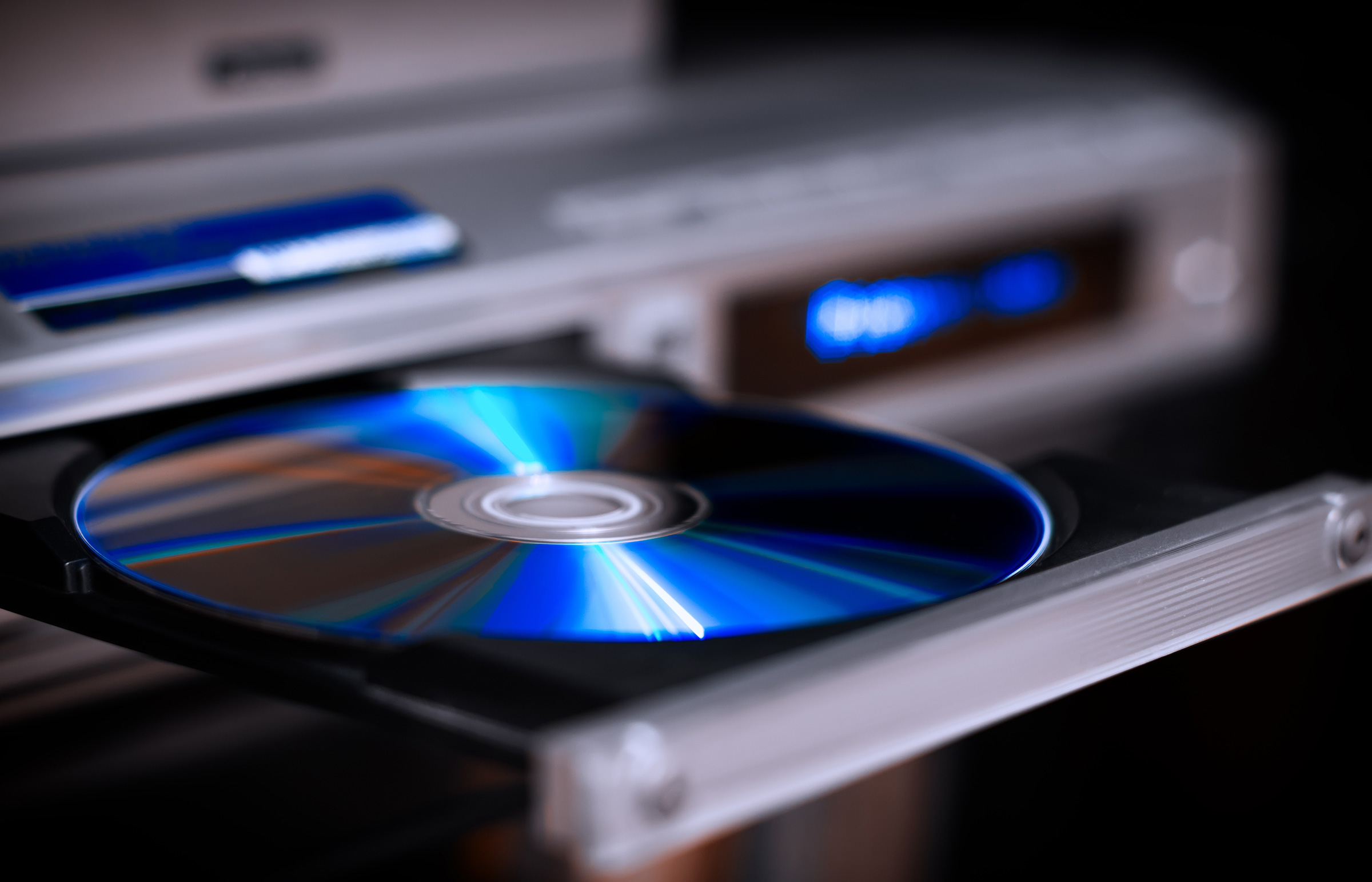
Digital Audio Migration
Early digital audio formats, such as Compact isc, DAT and Audio Digital Tape (ADAT), are approaching critical obsolescence points. As these machines become increasingly rare and unreliable, migration to current preservation formats becomes urgent.

VIDEO PRESERVATION CAPABILITIES
Our video preservation services address moving image materials across all applications:
- Consumer Formats: VHS (helical scan, 240 lines resolution) and Betamax (higher quality, better color reproduction)
- Professional Broadcast: U-matic ¾-inch cassettes (superior quality but experiencing mechanical failures) and Betacam/Betacam SP (component video recording with superior color fidelity)
- Legacy Equipment: Quadruplex 2-inch tape (1950s-1980s broadcast standard) requiring specialized knowledge and museum-piece machines

MOTION PICTURE FILM PRESERVATION
Building on DT Heritage’s established expertise, our motion picture services include:
- Professional Cinematography: 35mm and 16mm film stocks with various emulsion types requiring specific handling for camera negatives, internegatives, and release prints
- Amateur Film Formats: Super 8mm and regular 8mm film present challenges due to the small image area and color fading tendencies
- Safety and Nitrate Film: Specialized handling for chemically unstable nitrate-based emulsions that pose fire hazards, drawing on our Getty Research Institute experience

DATA MIGRATION SERVICES
Digital preservation extends beyond audio-visual content to include:
- Legacy Storage Media: Floppy disks (8-inch, 5¼-inch, 3½-inch) with compatibility challenges as working drives become scarce
- Format Migration Challenges: Proprietary database formats, obsolete word processing files, and specialized scientific data requiring careful analysis and conversion
Advanced Technology and Preservation Standards
COMPREHENSIVE QUALITY CONTROL METHODOLOGY
DT Heritage’s audio-visual preservation employs rigorous quality control procedures throughout the digitization process. Every item undergoes an initial assessment to determine optimal transfer parameters, identify potential problems, and establish handling protocols for fragile materials.
Pre-transfer cleaning removes accumulated dust and debris using methods tailored to each material type. During transfer, professional monitoring equipment ensures optimal signal quality through calibrated monitoring systems and spectrum analyzers.
AI-ENHANCED PROCESSING INTEGRATION
DT Heritage’s proven DT PixelFlow software extends our AI capabilities to audio-visual applications:
- Automatic Transcription Services: Speech-to-text conversion with time-code synchronization for searchable content
- Content Analysis and Metadata Generation: Scene detection, face/object recognition, and subject classification integrated with collection management systems
PRESERVATION FILE FORMAT STANDARDS
All digital masters conform to established preservation standards:
- Audio Preservation Formats: Broadcast Wave Format (BWF) at 96 kHz/24-bit depth exceeding human hearing capabilities
- Video Preservation Standards: Uncompressed or mathematically lossless compression, maintaining complete signal fidelity
Metadata Standards Compliance: Comprehensive technical metadata following PREMIS and METS schemas


Getting Started with Comprehensive Audio-visual Preservation
CONSULTATION AND PROJECT ASSESSMENT
Every audio-visual preservation project begins with a thorough evaluation of collection characteristics, institutional requirements, and technical specifications. Our preservation specialists conduct on-site assessments or work with representative samples to identify formats, evaluate conditions, and recommend optimal preservation strategies.
PILOT PROJECT RECOMMENDATIONS
For substantial collections, pilot projects provide valuable insights into processing requirements, timeline expectations, and quality outcomes. Representative samples enable workflow refinement and offer realistic projections to full-scale preservation programs.
COMPREHENSIVE PRESERVATION SOLUTIONS
DT Heritage’s audio-visual preservation services integrate seamlessly with our established heritage digitization capabilities. Mixed-format collections benefit from unified project management, consistent quality standards, and coordinated delivery schedules that streamline institutional workflows.
Our institutional experience, combined with advanced AI capabilities and commitment to preservation standards, ensures audio-visual preservation projects meet the demanding requirements of cultural heritage organizations while supporting contemporary access and engagement goals.
Celebrating 20 Years of Digitization Excellence – 2003-2023
Subscribe to our Cultural Heritage Newsletter
