Digitization is often positioned as a preservation strategy — yet improper imaging workflows can introduce physical, thermal, or handling risks to fragile materials. Rare books, glass plate negatives, tightly bound manuscripts, oversized works, and brittle film require a conservation-informed approach to imaging.
This article outlines practical risk mitigation strategies that align digitization workflows with conservation best practices.
Prioritize Material Assessment Before Capture
Every digitization project should begin with condition assessment. Identify fragile bindings, brittle paper or parchment, emulsion instability in film, flaking pigments or paint layers, and warped or cockled materials before production begins.
Collaboration between conservators and imaging technicians ensures handling protocols are clearly defined before operators ever touch a collection.
Minimize Physical Contact
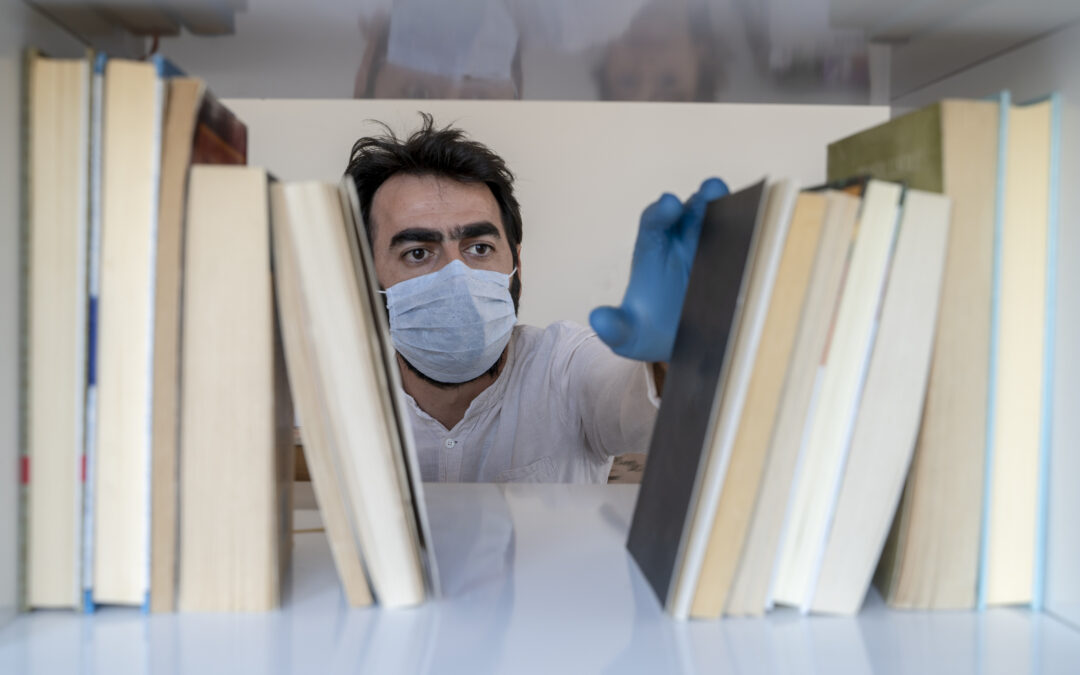
Digitization systems should reduce contact wherever possible. This means using minimal-contact film carriers, avoiding unnecessary glass pressure, employing magnetic strapping or gentle flattening techniques, and ensuring adjustable cradles are available for bound volumes. Pressure should always be controlled and operator-adjustable — particularly for rare or tightly bound books.
Control Heat and Light Exposure
Lighting is one of the most overlooked risk variables in digitization workflows. Best practices include high-CRI LED lighting with minimal UV output, avoidance of excessive heat generation, limited exposure duration, and maintaining safe light-to-object distances. Continuous monitoring of exposure levels reduces cumulative light damage over long projects.
Ergonomic Handling Reduces Risk
Operator fatigue increases error rates and material stress. Proper workflow design — adjustable bench height, stable copy stands with minimal vibration, foot pedals or remote capture to reduce repositioning, and clear staging areas for safe material transfer — directly reduces the risk of handling damage. When operators are comfortable, materials are handled more carefully.
Stabilize Oversized and Three-Dimensional Objects
Large or irregular objects require customized supports: wall mounting for murals, floor-based capture for oversized maps, adjustable easels for framed works, and turntables for fragile three-dimensional objects. Support systems should distribute weight evenly and prevent stress points throughout the imaging process.
Document Handling Protocols
Every digitization lab should maintain written handling procedures, emergency response plans, training documentation, and incident reporting protocols. Consistent documentation protects both collections and institutions — and ensures institutional knowledge survives staff turnover.
Conclusion
Digitization and conservation are not competing priorities. When properly designed, digitization workflows reduce long-term handling risk, provide preservation surrogates, and improve collection access without compromising material integrity. Conservation-safe imaging is not simply about equipment — it is about workflow design, staff training, and institutional commitment to best practices.
More Information
For more information or a free consultation on conservation-safe digitization workflows for your institution, contact us.
Related resources